
Views: 0 Author: Site Editor Publish Time: 2025-09-16 Origin: Site


You must always think about radiation safety in x-ray rooms. Animal hospitals and research groups need special safety rules. The table below shows how animal imaging rules are not the same as human ones. Advanced machines like Shinova help keep x-rays safe and protect people.
Aspect | Veterinary Imaging Standards | Human Medical Imaging Standards |
|---|---|---|
Regulatory Requirements | Stricter for animals | Not as strict for people |
Radiation Safety Protocols | Made for moving and holding animals | General rules for people |
Staff Training | Teaches how to handle animals | Teaches how to care for people |
Always put radiation safety first in x-ray rooms. This keeps you, your coworkers, and animal patients safe. Following safety rules helps stop health problems.
Use the ALARA principle to lower radiation exposure. You still need good images. Wear lead protection and spend less time near x-ray sources.
Make sure your x-ray room layout is safe and works well. Keep equipment neat and clear paths open. Use lead shielding to block radiation.
You help keep everyone safe in the x-ray room. Radiation safety protects you, your coworkers, and animal patients. If you follow safety rules, you avoid health problems and follow the law. Many groups make these rules for animal imaging.
Regulatory Agency | Description |
|---|---|
U.S. Nuclear Regulatory Commission | Sets limits for how much radiation workers can get. |
National Council on Radiation Protection and Measurements (NCRP) | Shares reports about radiation safety, with rules for animal medicine. |
Health Canada | Gives safety tips for setting up and using animal x-ray machines. |
You need to follow these rules to keep radiation as low as you can. This is called ALARA. It means you always try to use less radiation but still get good x-ray pictures. Wearing lead aprons, gloves, and thyroid shields helps protect you more. Good safety habits also keep animals from getting too much radiation.
Radiation can hurt people and animals. In animal x-rays, you can face problems like DNA damage, cancer, and other health issues. People who work with x-rays may get more cancer, like breast cancer or melanoma. Pregnant women should not help with x-rays because of these dangers.
Ionizing radiation can cause effects that get worse with higher doses.
Stochastic effects make cancer or genetic changes more likely.
Personal dosimetry lets you check your radiation and follow safety rules.
Animals also need to be safe. You should use lead shields and collimation to stop extra radiation. CT scans show clear pictures but use more radiation, so you must keep doses low. If you follow safety rules and use lead protection, everyone stays safer during x-rays.
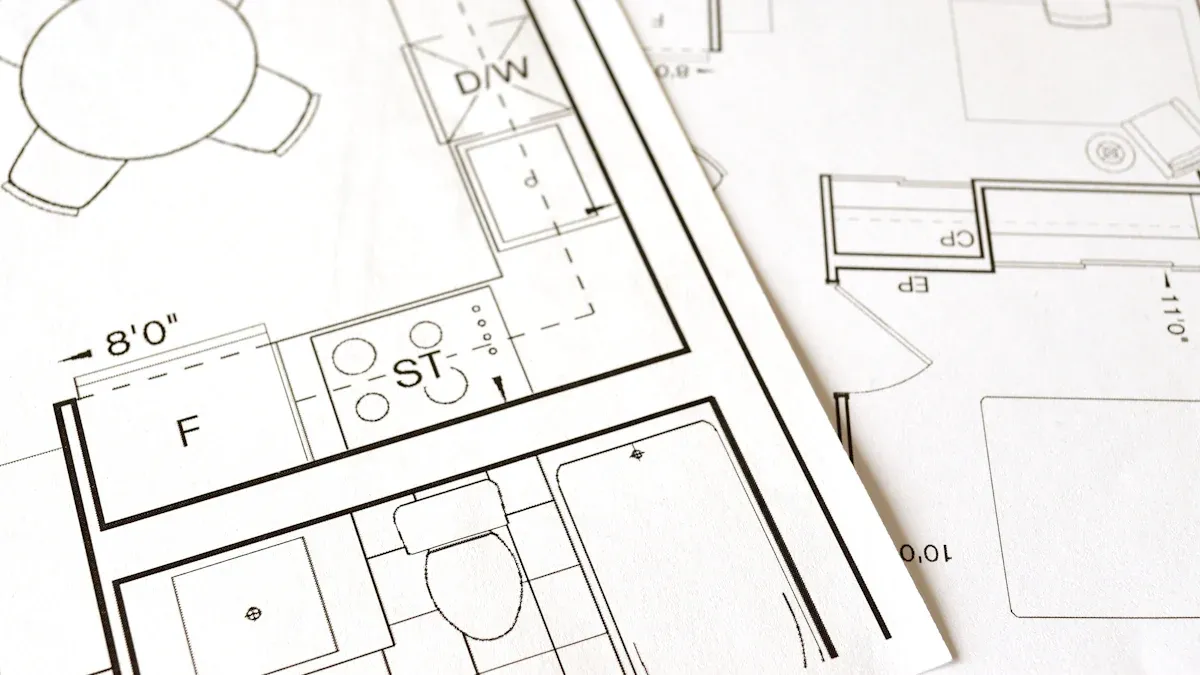
A smart x-ray room layout keeps everyone safe. It also makes your job easier. In animal hospitals, you move equipment a lot. Animals may not stay still. Portable devices, like Shinova's, help in many spaces. You can adjust for each animal's needs. When you plan the room, think about safety and how fast you can work.
Here is a table with important features for a good x-ray room layout:
Feature | Specification |
|---|---|
Operator's Booth Area | At least 7.5 square feet of open floor space. |
Booth Dimensions | No side less than 2 feet; walls at least 78 inches high. |
Control Placement | Fixed at least 40 inches from the booth wall closest to the table. |
Viewing Window | At least 1 square foot, lower edge at least 4.5 feet from the floor. |
Interlocked Access Doors | Needed for doors the operator cannot see. |
Window Lead Equivalency | Same as the booth walls. |
Keep the operator's booth clear and easy to get to. Put the control panel far from the x-ray table. This helps lower your radiation risk. Use windows with the same lead as the walls. You can see the animal and stay safe.
A good x-ray room design helps you work fast and safe. You want to move animals in and out easily. Try not to bump into equipment. Stay away from the x-ray source when you can. Here are some best ways to set up your equipment:
Put the x-ray machine so you can stand six feet away during use.
Use lead barriers or shields to block scattered radiation.
Keep the x-ray table in the middle of the room for easy access.
Store portable devices, like Shinova's, where you can grab them fast.
Make sure walls are thick enough to stop radiation from leaving the room.
Tip: Always use the ALARA principle. This means you keep radiation as low as you can for people and animals.
Think about how you handle animals too. Use restraint devices or sedation to keep them still. This means you do not need to take extra x-rays. It keeps everyone's radiation lower.
You can design your x-ray room to have low-exposure zones. These are places where radiation is very low. Try to spend most of your time in these spots. Here are some ways to do this:
Add shielding for all x-ray, CT, and imaging equipment. A nuclear physicist can help pick the right materials.
Plan your room layout based on its size and wall materials.
Check what rooms are next to your x-ray suite. Make sure your design protects people in those rooms.
Work with equipment makers, like Shinova, to meet safety rules and get good products.
Always use lead-lined walls, doors, and windows in your x-ray room. Put control booths and barriers in the safest places. This keeps you and your team away from direct and scattered radiation. Good planning helps you make a safe place for staff and animals.
Every x-ray room needs strong radiation shielding. These rules help keep radiation low and protect everyone. The National Council on Radiation Protection (NCRP) gives special advice for animal imaging. You have to use lead in many parts of the room to block radiation. Animal hospitals often check radiation more often than human hospitals. They also use different ways to shield the room. This helps stop people from getting too much radiation.
You should know how much lead each part of the room needs. Most walls need at least 0.5 mm of lead. Some places can use 0.25 mm, but always check your local rules. Lead-lined drywall or plywood works well for walls. Doors need a full sheet of lead inside. Windows must use lead glass. These materials help block radiation and meet the rules for x-ray rooms.
Tip: Always check your state or country's rules before you build or change your x-ray room. Rules can change, so you want to stay safe.
Here is a quick list of common lead shielding needs:
Walls: 0.5 mm lead (at least)
Doors: 0.5 mm lead sheet, strong hinges
Windows: Lead glass, same thickness as wall lead
Mobile barriers: Use these for extra protection
You also need to wear personal protective equipment (PPE) like lead aprons, gloves, and thyroid shields. These items help lower your radiation exposure during x-ray work.
All walls, doors, and windows in your x-ray room must stop radiation from getting out. Lead-lined drywall or plywood blocks radiation in the walls. Doors use a full sheet of lead and need strong hinges and frames. Windows use lead glass. This lets you see inside but still keeps you safe.
You should put x-ray viewing windows in the control booth. These windows must have the same lead thickness as the walls. This keeps you safe while you watch the animal during imaging. Always check the rooms next to your x-ray room. Make sure your shielding protects people in those rooms too.
Area | Lead Requirement | Purpose |
|---|---|---|
Walls | 0.5 mm lead equivalence | Stops radiation from escaping |
Doors | 0.5 mm lead sheet | Blocks radiation at entry |
Windows | Lead glass, 0.5 mm equiv. | Safe viewing and protection |
You must follow all x-ray room rules to keep your facility safe. Good wall, door, and window protection helps you make a safe imaging room.
Every x-ray room needs a control booth. This booth gives you a safe place to stand during imaging. The booth must have walls with the same lead as the rest of the room. You should also use mobile lead barriers if you need more shielding. These barriers help you move around the room and stay safe from radiation.
The control booth should have a window made of lead glass. This window lets you see the animal and equipment without leaving the safe area. Put the control panel at least 40 inches from the wall closest to the x-ray table. This helps lower your risk of radiation.
Note: Always keep the control booth clear and easy to get to. You want to move fast if there is an emergency.
You must follow all rules for control booths and barriers. These features help you meet safety standards and protect everyone in the x-ray room. Good design and strong shielding keep your team safe during every imaging test.
You need good training to work safely with x-rays. Every staff member must know about radiation safety and how to use lead protection. There are many ways to learn these skills. Some classes teach about animal x-rays and safety. You can join live webinars, take online courses, or go to in-person classes. Here is a table with some choices:
Training Program | Description | Format | Cost |
|---|---|---|---|
Radiation Safety Training for Veterinary X-Ray Operators | Certification for veterinary x-ray safety and radiation protection | Live Zoom Webinar | Varies |
Self-Paced Online Radiation Safety Certification Course | Flexible online learning for radiology and lead use | Online | Varies |
Radiation Safety in Veterinary Practice | Covers x-ray safety, compliance, and lead protection | Online | Free for AAHA Members, $25 Non-Members |
Veterinary Radiation Safety Course | Focuses on x-ray safety in veterinary imaging | In-person | $110 |
You should take training again every so often. Keep records of each class you finish. This helps you learn about new x-ray machines. It also makes sure you use lead shields and safety gear the right way.
You must check radiation levels in every x-ray room. Dosimeters help you see how much radiation you get. You can use different types, like whole body or area dosimeters. Pregnant workers may need a special dosimeter under their lead apron. Always follow ALARA rules. Spend less time near the x-ray source, use lead shields, and stay back when you can. Write down all radiation checks and training. This keeps you safe and helps your workplace follow the rules.
You must be ready for emergencies in x-ray rooms. Every place needs clear steps for radiation problems. Your SOPs should say what to do if a lead shield breaks or there is a radiation spill. Add rules for getting rid of radiopharmaceutical waste. Make sure all staff know the emergency plan. Practice these steps often. New x-ray machines can help you follow safety rules and act fast if something goes wrong.
You can keep your imaging suite safe from radiation by using a good layout, strong shielding, and following SOPs. Check your safety steps often. Use these helpful resources to get better:
Download a toolkit for radiation safety
Learn tips to lower radiation exposure
Get advice on PPE and how to work safely
Aspect | Details |
|---|---|
Safety Measures | Focus on animal radiation safety and equipment calibration standards. |
Technological Integration | Automated dose optimization and AI-enhanced imaging solutions improve radiation safety. |
ALARA means "As Low As Reasonably Achievable." It helps you keep radiation low. You still get good images while staying safe.
Check your lead aprons and shields two times each year. Look for any cracks or damage. If something is broken, replace it right away.
Only use portable x-ray devices in shielded rooms.
Always follow your workplace safety rules and wear your protective gear.


